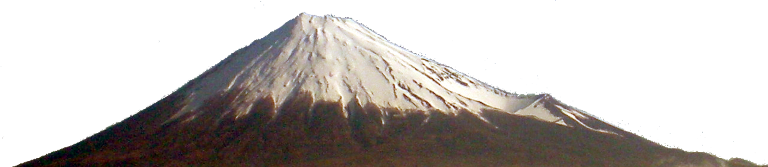
header pic
Date, Time, Currency Rate
Japan:
Mon, 06/8/2026, 11:50 PM
Central USA:
Mon, 06/8/2026, 9:50 AM
Currency: 1 USD = 160.03 JPY
as of 06/08/26 14:00 UTC

Japan Days

My Days in Japan

header pic 2

Welcome to Japan-Days.info

On this web site, I will share with you some stories and pictures from the time when I lived in Japan as a member of the United States Air Force, and from various visits that my wife, Ritsuko, and I have made there since my departure from the military in 1978. As you browse the site, please note that clicking (or tapping if using a phone or tablet) on any of the images will enable you to see an enlargement of the picture, clicking on it again will take it back to original size. Also, many words are highlighted to show the availability of a tooltip, which will provide you with more information about the word, and are invoked by hovering the mouse pointer over it (or tapping if using a phone or tablet).

I will add content to the site periodically, so please visit often.

News Feeds

News feed source: SoraNews24
SoraNews24 —Japan News—
Bringing you yesterday's news from Japan and Asia, today.

Fukushima City on edge as resourceful and violent bear still not found (Japan)
Mon, 08 Jun 2026 14:00:05 +0000

Cunning bear managed to escape stand-off with police and hunters. As we’ve been seeing in recent years in Japan, not only has the number of bear encounters and attacks been steadily rising, but it appears bears have been coming closer and closer to populated areas as well. Once an incident that only those deep in […]
Body of missing American college student found in Kyoto mountains (Japan)
Mon, 08 Jun 2026 04:00:27 +0000

20-year-old on family trip to Japan had been missing since May 29. On May 25, 20-year-old James “Weston” Higginbotham arrived in Japan with his parents and younger brother on a family vacation to celebrate the younger sibling’s high school graduation. During the trip, the environmentally minded James argued with his mother over her use of […]
Japan’s cheap beef bowl chain Matsuya opens gourmet Premium Matsuya with Kobe beef…inside Matsuya (Japan)
Mon, 08 Jun 2026 02:00:45 +0000

A tale of four Matsuyas, and a whole lot of gourmet wagyu beef. As one of the country’s big-three gyudon/beef bowl chains, Matsuya is among the top choices for those looking for a cheap but hearty meal in Japan. But maybe it doesn’t always need to be quite so cheap, and so Matsuya has made […]
Colour Hunting: The hot new street photography trend changing how we see Japan (Japan)
Sun, 07 Jun 2026 13:00:17 +0000

Some might say you haven’t truly seen Japan if you haven’t colour hunted.   Recently, an activity called “colour hunting” has been gaining popularity in Japan. Simply put, it involves choosing a colour theme and then, while walking around town, taking photos of things that match that colour, before compiling them into a single image. The […]
Japanese rice cooker recipe gives us a tasty new way to enjoy vegetables and wieners (Japan)
Sun, 07 Jun 2026 05:00:48 +0000

Quick and easy, this is a meal that’ll have you going back for seconds. One of our favourite hacks when it comes to making Japanese-style meals is to whip out our rice cooker and stuff it with all sorts of unconventional ingredients. These so-called “rice cooker recipes” almost always result in surprisingly delicious meals, and […]
Japan Railways partners with Overwatch, heroes hit the Shinkansen for bullet train collaboration (Japan)
Sun, 07 Jun 2026 01:00:15 +0000

And yes, there is a reason Mercy is dressed that way. With Japan being home to many of the world’s most passionate gamers, Japan Railways Group periodically partners with popular video game franchises to add a little extra fun to fans’ train travel in Japan, like we’ve seen in previous tie-ups with the Final Fantasy […]
Ghibli’s No Face continues to demonstrate his generous character growth by dispensing soy sauce (Japan)
Sat, 06 Jun 2026 13:00:08 +0000

Can you please pass the soy sauce, No Face? Explicit exposition has never really been Studio Ghibli’s thing, but even by their standards, No Face’s character arc is an impressive case. Without saying a single word of dialogue, we watch the Spirited Away scene-stealer go from covetous to considerate over the course of the film, […]
With hot sweaty Shibuya summer on the way, free sodium tablets to be given out in downtown Tokyo (Japan)
Sat, 06 Jun 2026 05:00:12 +0000

Stay salty, everybody. Shibuya is one of Tokyo’s most exciting neighborhoods. Between world-famous tourism landmarks like the statue of faithful dog Hachiko and the scramble intersection, plus shopping options from iconic stores like fashion mecca 109 and Nintendo Tokyo, there’s a lot to see and do in this part of downtown, and if you’re visiting […]
A Japanese toast sandwich remix: The toasted rice rice ball[SoraKitchen] (Japan)
Sat, 06 Jun 2026 01:00:30 +0000

Mr. Sato steps into the SoraKitchen with a bold idea. Food, as a broad topic, is pretty much always on our mind here at SoraNews24, but recently our ace reporter Mr. Sato found himself thinking about toast sandwiches in particular. Like many people who grew up outside the U.K., Mr. Sato initially found the concept […]
Japan Post’s mail carriers are getting some cool upgrades, but packages might be a little late (Japan)
Fri, 05 Jun 2026 17:30:07 +0000

Intense summer heat means new safety rules and ice-cold drinks. Summer in Japan is popular for many things, from festivals and fireworks to delicious and refreshing treats, but there is also another undeniable aspect to the season: it gets pretty hot. In fact, in recent times with consistently high temperatures, the Japan Meteorological Agency officially […]

Travel to Japan

leaving Kyoto station

As the Shinkansen leaves Kyoto Station, it quickly accelerates. Watch the video to see from a passenger's POV.

Watch from the perspective of a passenger as this high speed Shinkansen leaves Kyoto Station, and accelerates rapidly.

Below is a short video clip that I shot from a train we were aboard when we traveled from Hiroshima to Tokyo during our 2012 trip. Sitting next to the window in the last row of seats in car 5, I shot this as we were leaving Kyoto Station. Immediately after leaving the city the train goes into a tunnel. The video will go dark, and then you can see the reflection of the interior of the car.

Notice the smoothness of the ride, and how quiet is the interior of the train. This is really a great way to travel.

Video shot from inside Shinkansen as it leaves Kyoto Station -- April 2012

waiting to board

Tokyo Station April 2012 -- Ritsuko with our luggage, waiting to board the 6:26AM train for Osaka, where we would transfer to another train bound for Kagoshima.

When Ritsuko and I go to Japan, we typically cover a lot of ground over the 2 to 3 week period of our trip, and in my opinion, the absolute best way to travel in country is by rail. Japan has a superb rail system. The larger cities have a network of commuter trains and subways; many rural areas have a combination of train and bus service. But, of course, the crown jewel of Japan's railway system is the high speed, comfortable, and reliable Shinkansen, also known as the "Bullet Train".

Tokyo Station - Model N700 Shinkansen

The first Shinkansen was a dream made into a reality under the leadership of Shinji Sogo, who was the fourth president of Japan National Railways in the 1950's and early 1960's. The initial plan was to upgrade train service on the Tokaido Line, utilizing a high speed train on a dedicated standard gauge track, with the goal of reducing travel time from Tokyo to Osaka to two hours. Put into service in 1964, the launch of the first train was to coincide with the 1964 Tokyo Olympic games, showing the world the remarkable extent to which Japan had recovered after WWII. However, political goals notwithstanding, the Shinkansen was the first move toward migrating Japan's rail system to standard gauge, and set a new standard for quality of service and safety for Japan's rail system.

Joetsu Shinkansen

E7 Series Shinkansen at Tokyo Station - service to Nagano

The model 0 had a top speed of 200km/hr. Today's model N700 runs at speeds of 240–320 km/h, and throughout the islands of Honshu and Kyushu, most major cities are linked by Shinkansen.

 | Published by: Japan Days  logo
 | Date Modified: July 28, 2023

Japan Culture

Post Date: March 6, 2017

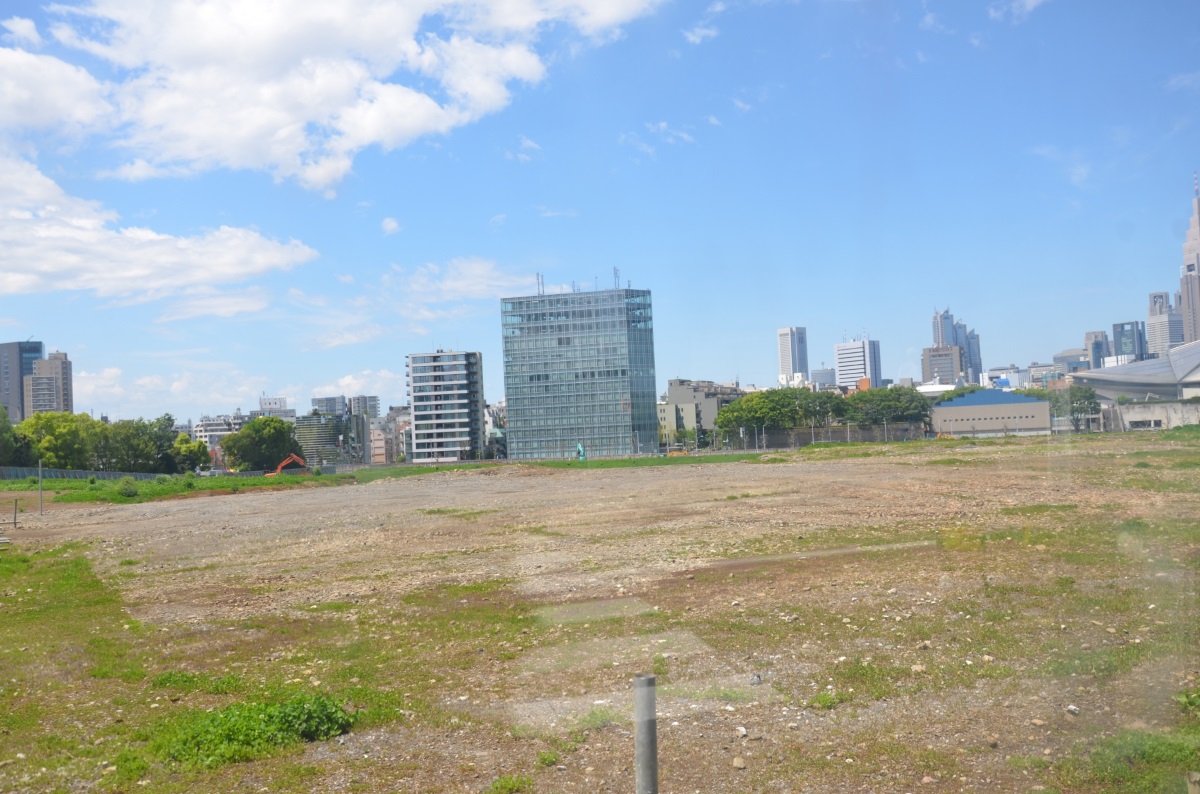
In our 2016 Japan trip, we spent the last six days in Tokyo. I really wanted to go to the site of the National Stadium, so one sunny morning, we hopped onto the Ginza subway line at Asakusa station, and went to Gaienmae. From there, we walked to the site of the stadium.

National Stadium Tokyo site in 2016

Site of the 2020 Olympic stadium, Tokyo May 2016

The old stadium that was built in 1958, and that served as the venue for the opening/closing ceremonies and track and field during the 1964 Tokyo Olympics has been completely demolished, and the ground was being prepared for construction of the new stadium for the 2020 Tokyo Olympic Games. It was sad to see that the old stadium was torn down. I remember one day in 1978 when Ritsuko and I were walking through the area, and on a whim, went into the old stadium and watched a soccer game. But, such is progress, and I look forward to seeing the new stadium. The plans have changed from the original design, but I am confident that it will be magnificent.

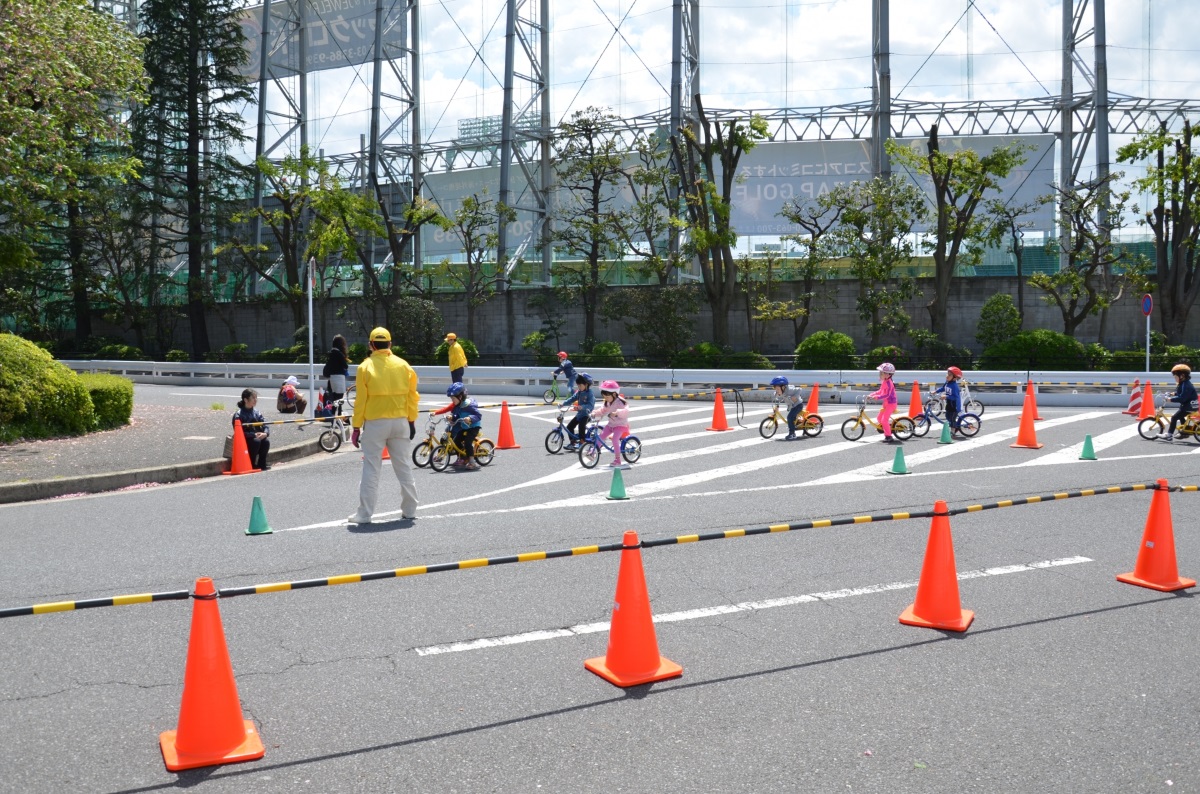
Nearby, some of the streets were blocked off for a children's bicycle race. That was really cute, and quite unexpected.

Near Gaienmae Tokyo 2016

Children's bicycle race near Meiji Jingu Gaien, Tokyo May 2016

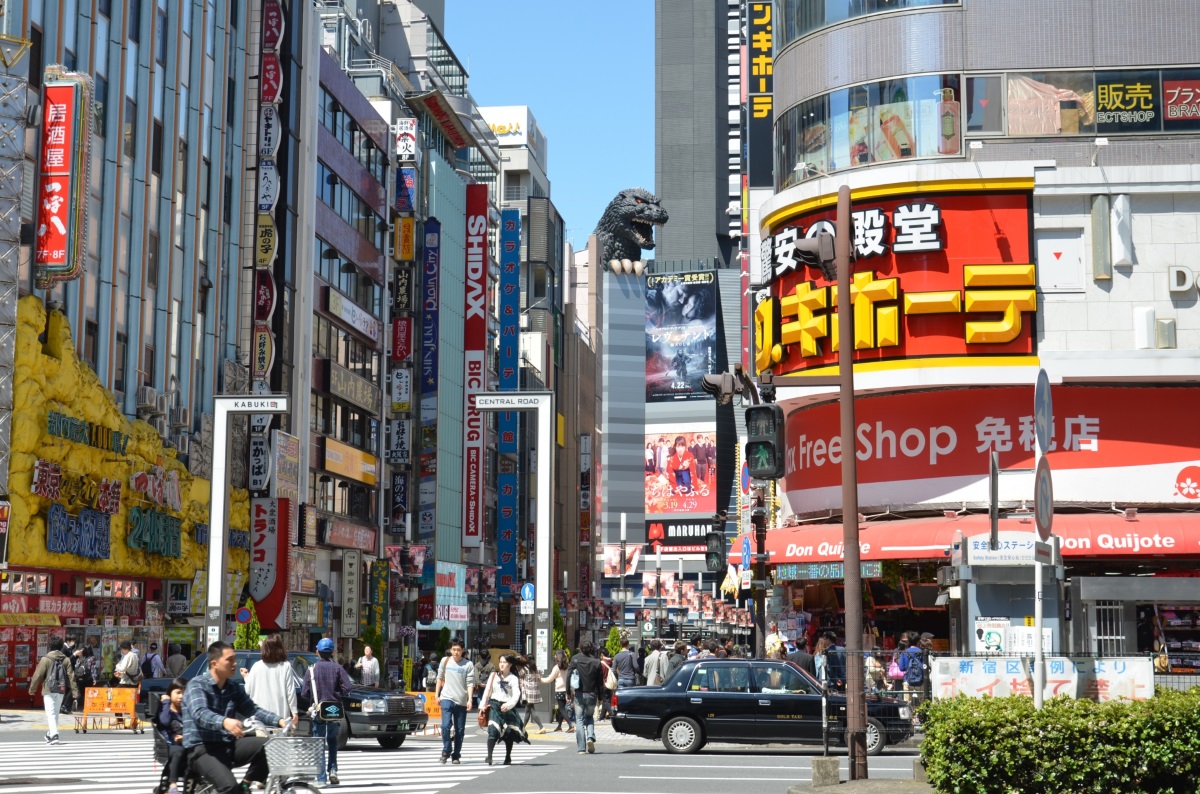
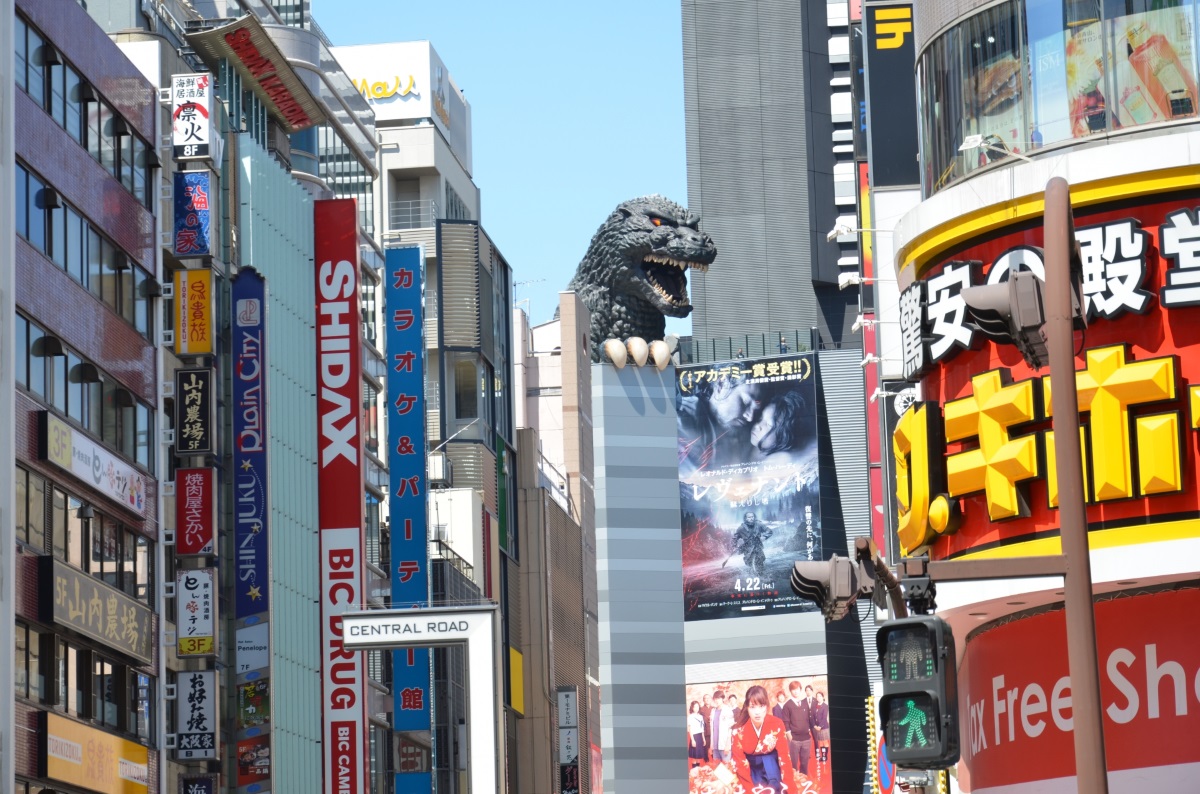
Moving on, we continued to walk, with one thing or another catching our attention, and thus diverting our path. Finally, we found ourselves approaching Shinjuku Station on the east side, and made our way on to the main east entrance of the station. From there, walking into the famous (or sometimes infamous) Kabukicho district, I looked down the street and saw Godzilla, or as he is called in Japan, ゴジラ (Gojira), clutching onto the top of the Toho Cinemas building.

National Stadium Tokyo site in 2016

Godzilla atop the Toho Cinema Building, Shinjuku

2016 Toho Cinema promotes new Godzilla movie, シンゴジラ(Shin Gojira) by putting him on top of their building in Shinjuku

This was part of a promotion for the latest Godzilla movie, シンゴジラ (Shin Gojira), that Toho Cinemas was releasing in 2016. Later that evening, I emailed the pictures to a few friends in order to let them know that, just in case they had ever wondered what had happened to the big scaly fellow, Godzilla aka ゴジラ (Gojira) was alive and well in Shinjuku.

 | Published by: Japan Days  logo
 | Date Modified: October 13, 2023

My Air Force Days

Post Date: March 28, 2008

“One’s destination is never a place, but a new way of seeing things.” -- Henry Miller

Growing up in Dallas Texas in the 1950's and 60's, I always thought of Japan as a beautiful, intriguing land that I would really like to visit if I ever had the opportunity. That opportunity materialized in April of 1973.

Since graduating from Tech School at Chanute AFB in November 1971, I had been assigned to the 55th Weather Reconnaissance Squadron at McClellan AFB, in Sacramento California, and in the spring of 1973, I volunteered to attend NCO Leadership School. I really wasn't one for volunteering for anything, especially not some resident school for professional military training, complete with uniform inspections and close order drill. My reason for doing so was that testing for a promotion cycle was scheduled for May. It was the first cycle in which I was eligible for promotion to Staff Sergeant, and I wanted to make it on my first try. The key to doing that would be to score really well on the Promotion Fitness Examination. So there I was, early April 1973, TDY at Norton AFB, CA, enrolled in the 22nd Air Force NCO Leadership School. Actually, I enjoyed the classes, and the inspections, drills, etc. were not that bad. Overall, it was a really good school, and I felt as though I was set to ace the PFE, and earn my fourth stripe.

With only a few days remaining till graduation, I received a call from a personnel specialist at 9th Weather Reconnaissance Wing HQ at McClellan. He called to inform me that if I was still interested in an assignment to Japan, there was about to be an opening, and that if I would agree to extend my enlistment by seven months in order to have enough retainability for a two year tour, the assignment was mine. Ever since I was in tech school, and learned that in my specialty field one of the five or six places in the world where I could be stationed was Yokota Air Base, Japan, I had been trying to get an assignment there. Now, although I only had about a year and a half left in my four year enlistment, I had the chance to get the assignment that I had been wanting. Without hesitation, I told the HQ fellow to please go ahead and prepare the paperwork, and that I would sign the extension commitment as soon as I had graduated from Leadership School and returned to McClellan.

The next couple of months were rather a blur; I returned to work, took a TDY to Hawaii, went back to California, and took my promotion test (Leadership School was worth the effort -- a week or so after I arrived in Japan, the promotion list was published, and I learned that I had a line number for SSGT!). For my remaining days at McClellan, it was mostly work as usual. Then, in my last days on duty, I sold my car and turned in my flight gear, sadly giving up the extra $55/month hazardous duty pay that I had been receiving while on non-crew flying status. I then went on a few days leave, traveling to Texas in order to visit family, and prepared to venture into another world. Finally, on June 29, 1973, I was in the passenger terminal of Travis AFB, where I said goodbye to a few of my friends, and boarded a flying cattle car (military contract airliner) headed for Yokota Air Base, Japan.

The flight stopped in Honolulu to take on fuel, and to drop off and take on more passengers. Although US combat operations in Vietnam had ended a couple of months earlier, there were still a lot of US military personnel moving into and out of the Asian theatre, and Hickam AFB/Honolulu International was a hub of connecting military and military contract flights, as there were a lot of troops from all branches of the U.S. military moving in all directions. Waiting for my flight to board, I sat in the airport bar, quietly enjoying a cold beer. A small group of Air Force guys were seated at a nearby table; one of them shouted out to me, "Hey Sergeant!! where are you headed?"

"PCS to Yokota," I said with a big grin.

"YOKOTA!!! JUST STARTIN' YER TOUR????" a heavy-set red haired two-striper in the group bellowed. "You're hurtin'!!! I got three more months and then I go back to the world for good!!! I hope you like fish heads and rice!!!" He and his buddies then simultaneously burst into laughter and yelled, "SHORRRRRRT!" spontaneously forming some kind of a moron chorus.

With great difficulty, I resisted the temptation to demonstrate to them just how well I could combine a few choice expletives into a sentence. Instead, I just quietly finished my beer, and tried not to listen as the knuckleheads went on and on about how much they hated being stationed in Japan. It would have served no purpose for me to tell them that I was looking forward to this assignment, and that I had wanted it so much that I actually extended my enlistment by seven months in order to qualify for it. So, leaving them to affirm each other's affinity for childish behavior and pointless conversation, I went on to wait in the gate area, remembering the words of my friend Joe, who used to say "for a lot of G.I.'s, the only good bases are the one they just came from and the one where they are going next." As usual, Joe had been right on target in his assessment of the human condition.

Finally, it was time for me to board the plane for the last leg of my journey. As I stood in line to board, a lady from Hickam Passenger Services approached me, and asked if I would accompany/assist a dependent family who were in transit to Yokota. I agreed, and was introduced to a dependent wife with a three year old and a baby who was going there to join her husband. She was a nice young woman who seemed to be very shy, and who looked barely old enough to have two kids. I carried a couple of diaper bags and held the three year old's hand as we boarded the plane. After we got settled in, I found a coloring book for the three year old, and made sure that he was strapped in his seat. Aside from saying that she already missed her mom, the young mother didn't talk much; she just mostly looked out the window and cried until she, the toddler, and the baby were all asleep. Being single, I had never really considered how much of a hardship that an overseas assignment could be to a family, especially a young family.

Looking around the cabin, I saw in the faces of those on board that everyone there didn't share my zeal for going overseas. Figuring that I was the only person for whose happiness I was directly responsible, I decided that it was time for a shot of Jack Daniel's to put me into a happier state of mind. From under the seat, I retrieved my brief case, in which I had a few mini-bottles stashed, and silently declared to myself that the bar was open.

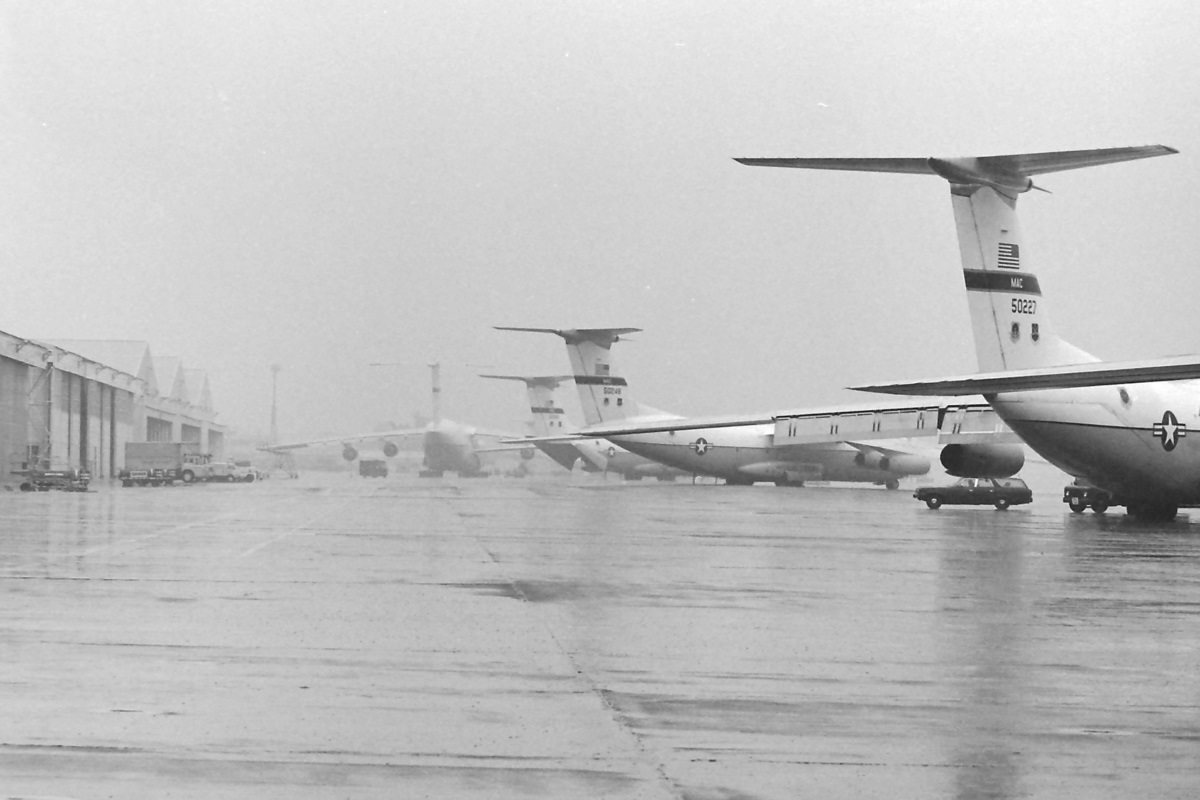
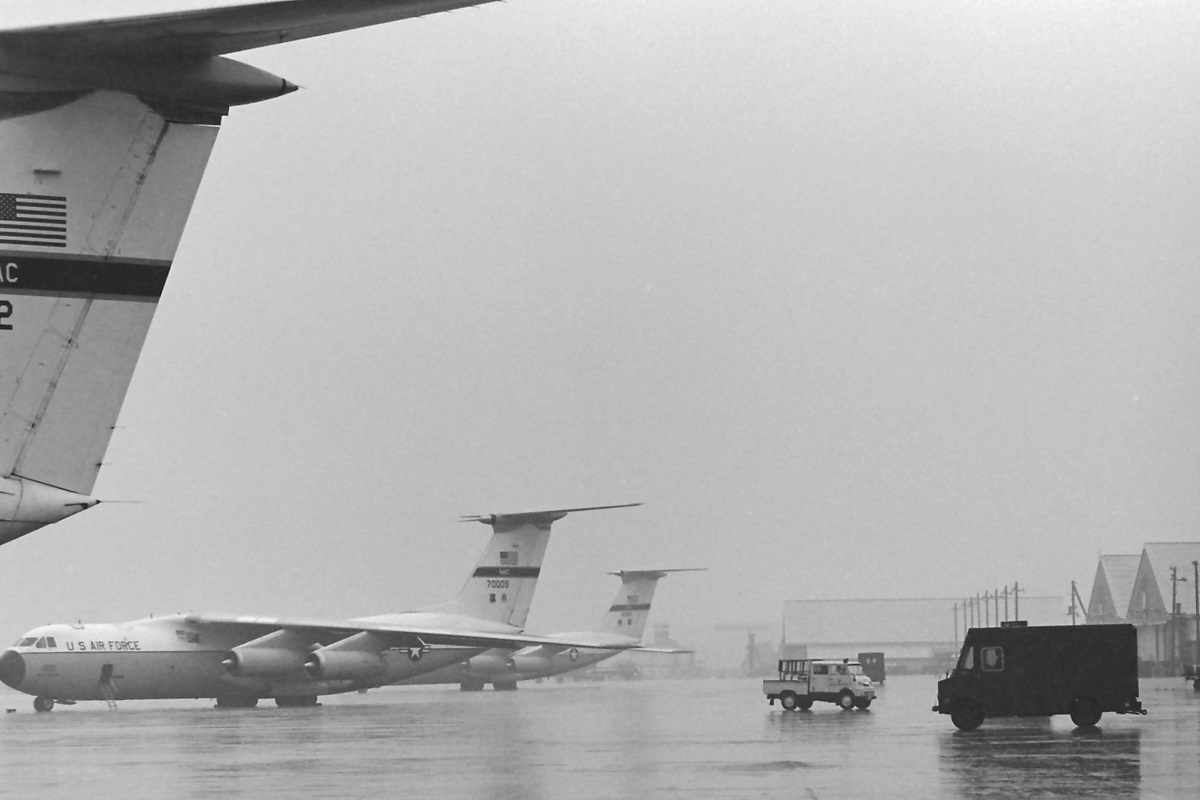
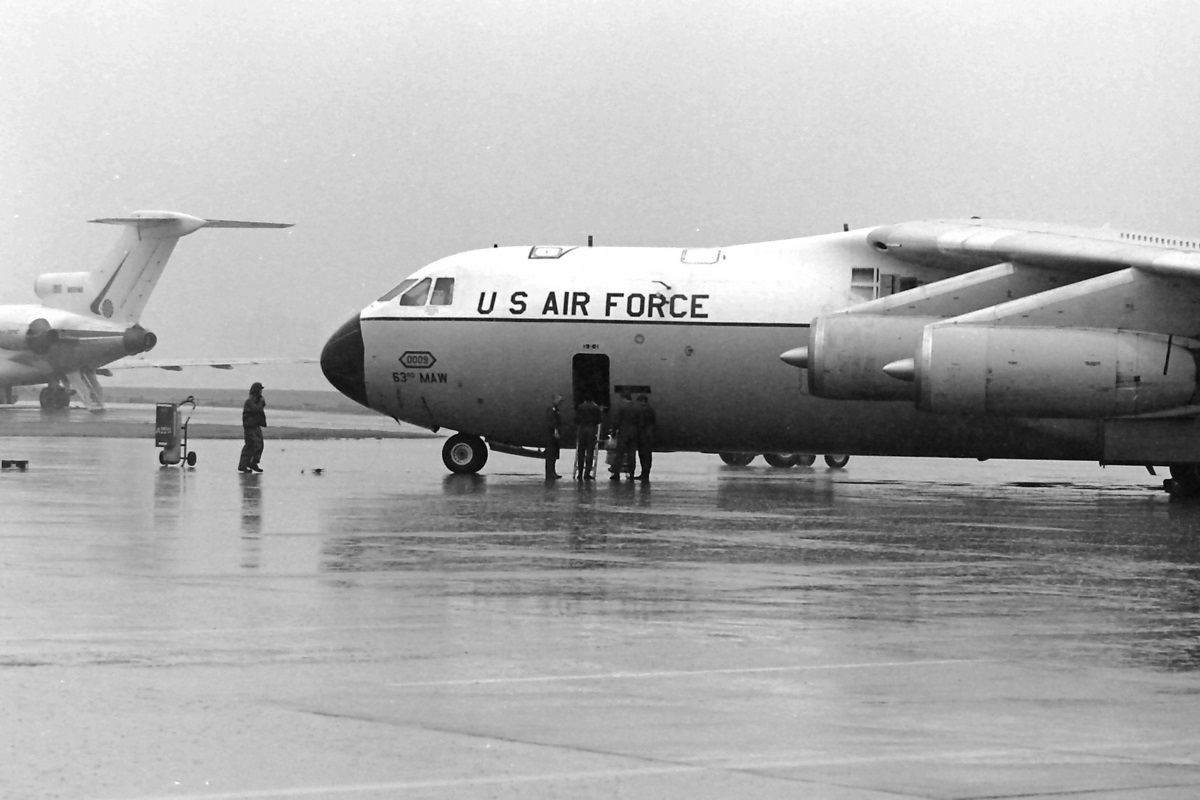
Yokota Air Base flightline, looking toward the terminal on an overcast drizzling day, early 1970's, you can see a line of C141's and a C5A.

It was the last day of June, 1973. I never saw any landmarks as we flew over the Kanto region of the island of Honshu. Mt. Fuji was down there someplace, but this was monsoon season, and visibility was zero since the sky was a watery soup of drizzling clouds. I helped the young mother pack up the kids and all their paraphernalia, and walked with them in a line of passengers from the plane to the Yokota passenger terminal. I sweated in the heat and humidity as we walked, straining to see anything of the skyline beyond the base, but to no avail. The sky was too overcast. We reached the terminal, and parted ways. I don't know what happened to them after that; I never saw them again.

As a testament to the military mantra of "hurry up and wait", it seemed to take forever to process through the terminal. A customs agent went through every item of clothing in my duffel bag, meticulously inspecting each pocket, cuff, and lining. I really wanted to say something like, "give it up will ya pal, I smoked all my dope before leaving California". Figuring that this guy probably didn't share my sense of humor, and not wanting to spend the rest of the afternoon urinating into a beaker and being interrogated by the OSI, I kept quiet until I was instructed to pack up my gear and clear out. I just wanted to get out of my 1505's, take a shower, and get some sleep.

55WRS NCO quarter plaque

55th WRS NCO of the Quarter
That was a surprise to everyone, especially to me.

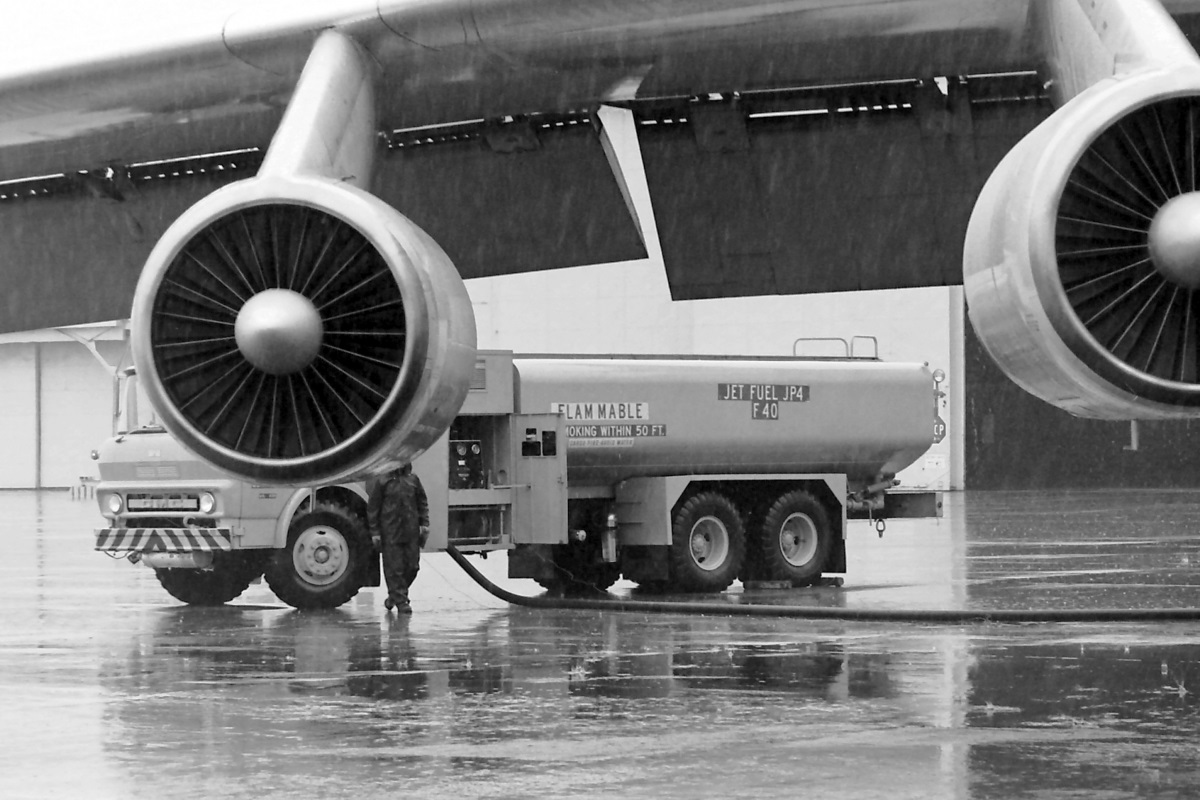
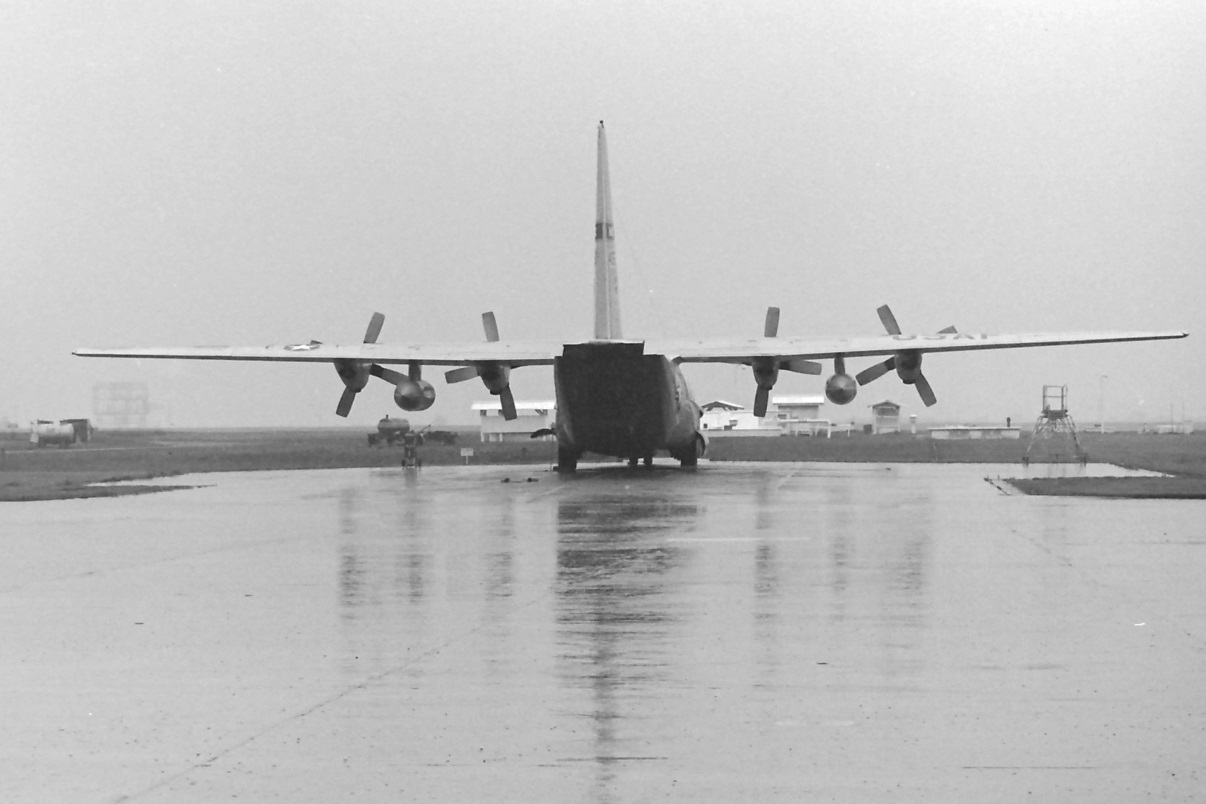
Exiting into the terminal, I was greeted by my shop chief who had been there patiently waiting while I got through the all the bullshit. We hopped into a flightline truck and headed down a long line of hangars. It was a busy flightline. Forklifts and pallet carriers buzzed back and forth from the freight terminal to a tarmac full of C-141's and C-5's. This was another transportation hub of the Military Airlift Command, and the main tenant organization at Yokota of that era was the 610th Military Airlift Support Squadron, a unit of the Military Airlift Command that was responsible for keeping the en-route transport planes, cargo, and passengers moving through the region safely and on schedule. I'd never seen so many C141's in one place before; on the taxiways, they were lined up to either take off or taxi in. The hazy sky beyond the runway revealed the glow of landing lights every few minutes as another plane came in on approach.

My previous assignment had been with the 55th Weather Reconnaissance Squadron at McClellan AFB, CA. There had been a similar squadron, the 56th WRS, at Yokota AB, but it had recently been deactivated, and the maintenance personnel were integrated into the 610 MASS. An operational detachment of 9th Weather Reconnaissance Wing remained on base with 3 WB-57F aircraft along with the aircrews and basic operations staff. The WC-135's formerly assigned here had either been sent to McClellan or sent to the C-135 depot in Oklahoma to be reconfigured for other types of missions. Since the maintenance people supporting these planes had been integrated into the 610 MASS, I was now assigned there as well. A lot of the missions that the 56th had performed were still operating out of Yokota, therefore the 55th always had at least one WC-135 deployed there.

De-classified Air Force film (circa 1970) describing the mission of Air Weather Service aerial sampling and weather reconnaissance.

My part in all this was the maintenance of the weather and air sampling systems on the weather aircraft. I was an Airborne Meteorological/Atmospheric Research Equipment or MET/ARE Tech. There were never many people in the MET/ARE specialty field (AFSC 302X1), but by 1973, there were probably less than 150 of us Air Force wide, and therefore most people who were not a part of the Aerial Weather Reconnaissance missions were completely unaware of what we did. That mission is best explained in the video posted on the left, which is a de-classified Air Force film, circa 1970, documenting the aerial sampling and reconnaissance mission.

The weather aircraft of that era consisted of WC-130's, WC-135's, and WB-57F's. These aircraft were utilized to fly a variety of weather missions as well as special missions. The primary special mission for which they were tasked was sampling the emissions from nuclear weapons detonation tests performed mainly by our cold war adversaries, the USSR and China. These missions were run by AFTAC (Air Force Technical Applications Center), using Air Weather Service aircraft. Essentially the aircrews would fly into areas where it was predicted that the airborne debris from these tests would be in the airstream. A special equipment operator would detect radioactivity in the airstream through which the plane passed and gather whole air samples, which were pumped into pressurized steel spheres, and particulate samples on filter paper mounted in screen assemblies in pods called U-1 Foils. When the aircraft returned to station, the MET/ARE guys not only checked out the equipment, but also were responsible for downloading the samples, and getting them to the lab. Back then, the Soviet Union conducted underground tests, therefore the emissions and debris were relatively low level. China, on the other hand, conducted mostly atmospheric tests, therefore the planes and the samples often contained dangerously high level radioactive material. Handling that stuff always scared the crap out of me.

1973 USAF photo

My 1973 official USAF mugshot

As we drove down the flightline and on to the enlisted transient quarters, Howard, my new boss, told me that they had been short handed while waiting for me and another guy to get on station, and that they were still running the last few missions in a series of "specials" due to a recent Soviet test. He was in a bit of a rush since a 135 was due back in about half an hour. By that time, with the travel, the time change, and the whiskey that I had consumed a few hours earlier, my body and brain didn't know what they were doing, so I told Howard to give me a minute to change into fatigues and I would help with the recovery.

So, there I was in Japan, or at least on a U.S. Air Force base in Japan. A base is a base, except on this one, we drove on the left side of the road, and there were a lot of signs for the Japanese civilian workers in a language that I couldn't read. I knew that eventually, I would get outside the gates to see where I was, but first and foremost I had to earn my keep by doing the job that I was sent to Japan to do.

 | Published by: Japan Days  logo
 | Date Modified: April 11, 2026
X